July 30, 2026
Understanding the differences between how exterior and interior painters work is crucial for optimal painting results. This article explores the distinct methods, challenges, and techniques employed by exterior painters compared to their interior counterparts. While both tasks involve painting, exterior painting requires more robust materials and different preparation and application techniques due to exposure to the elements. Moreover, exterior painting has a dynamic impact on the home’s curb appeal and potentially its market value. According to consumer reports, a fresh layer of exterior paint can increase a home's financial value by 2-5%.
Surface Preparation for Exterior Vs. Interior Painting
Surface Condition
The first step in any painting project is assessing the surface condition, which varies significantly between interior and exterior locations. Exterior surfaces are exposed to harsh weather conditions and pollutants, leading to more wear and tear than interior surfaces. This often results in peeling paint, mildew, and surface irregularities that must be addressed before painting. Interior surfaces, however, typically face fewer environmental threats, though they might have patches, stains, or old wallpaper that complicates preparation. Consequently, exterior painters need thorough evaluations and corrective measures to ensure durability, while interior painters can focus more on aesthetics and smoothness.
Debris Removal and Cleaning
Cleaning and debris removal represent another key difference in preparation for exterior and interior painting. Exterior walls often accumulate dust, pollutants, mold, and dirt, necessitating high-pressure washing or even chemical cleaning for proper paint adhesion. Conversely, interior cleaning usually involves milder methods, such as dusting, washing with soap and water, or light scraping. The thorough cleaning of exterior surfaces ensures paint adheres better and lasts longer, standing up to the elements. It's crucial for exterior painters to eliminate all debris and contaminants, achieving smooth surfaces that guarantee effective paint application.
Repairs and Patches
Exterior surfaces often require more significant repair and patching techniques than interior surfaces due to constant exposure to weather conditions. Cracks, gaps, and rotting wood are more prevalent outdoors and must be patched using specialized fillers or replacement materials. Interior surfaces typically require minor patching, such as fixing drywall imperfections with joint compound. These differences highlight the importance of materials and techniques used by exterior painters to ensure long-lasting results. Proper repair mitigates future damage and offers a clean canvas, which is essential for achieving project success.
Primer on Exterior vs. Interior Surfaces
Priming is a crucial step that varies between exterior and interior surfaces due to differences in exposures and materials. Exterior surfaces need primers with enhanced adhesion and protective qualities against moisture and UV rays, often requiring specialized exterior primers. Interior primers emphasize color consistency and surface porosity, focusing more on stain-blocking capabilities. The right primer selection impacts overall paint performance, promoting longevity and preserving visual appeal for exteriors. Since exterior surfaces endure more extreme conditions, the function of the primer is vital for safeguarding against weather-induced damage.
Considering Weather When Surface Prepping
The weather plays an important role in exterior surface preparation, significantly affecting the timing and techniques used. Unlike interiors, where climate control is possible, exterior painting must account for humidity, temperature, and precipitation. Weather conditions can delay preparation or necessitate specific methods to ensure the surface is adequately dry and ready for painting. Painters need to be flexible, utilizing weather forecasts to schedule and optimize preparation and application processes. This consideration is pivotal for exteriors as adverse weather can compromise paint adhesion and durability.
Types of Paints and Materials Used
Exterior Paints: Durability and Weather Resistance
Exterior paints are formulated for durability and weather resistance, crucial for surviving different environmental stressors. They contain additives that provide resilience against UV rays, moisture, and temperature fluctuations, maintaining color integrity for extended periods. The composition ensures no cracking, peeling, or premature fading under harsh outdoor conditions. While more costly than interior paints, their longevity and protective features justify the investment. For homeowners, high-quality exterior paints contribute to sustained curb appeal and increased property value.
Interior Paints: Safety and Aesthetic Qualities
Safety and aesthetic appeal are the primary considerations when selecting interior paints. Interior paints are engineered to have low or no volatile organic compounds (VOCs), ensuring a safe indoor air environment. These paints are available in a spectrum of colors and finishes, permitting customization to match home decor. Durability against abrasions, ease of cleaning, and finish quality are important aspects that guide interior paint choice. Thus, while exterior paints focus on protection, interior paints prioritize aesthetics and environmental safety.
Selection Based on Material Compatibility
Matching paints with the substrate material is crucial for effective painting in both exterior and interior settings. Exterior surfaces like wood, brick, and stucco each require specific paint formulations that cater to their unique properties. Interior painting has fewer material considerations, but still requires appropriate pairing with materials like drywall, plaster, or wallpaper to ensure adhesion and finish quality. A thorough understanding of material-paint compatibility is necessary for optimal application and longevity. The right selection prevents issues like bubbling, peeling, or uneven textures that can arise from incompatibility.
Environmental Impact of Exterior Paints
The environmental impact of paints is an important consideration, particularly for exterior jobs that require more paint and affect larger surface areas. Many modern exterior paints aim to reduce ecological harm by minimizing VOC emissions and using sustainable ingredients. Product labeling and certifications help consumers identify environmentally friendly choices. Although environmentally considered paints can initially cost more, their long-term impact and quality make them worthwhile. Exterior painters often consider environmental footprints in conjunction with performance to meet client demands for sustainable solutions.
Techniques and Tools Specific to Exterior Painting
Application Methods: Spraying vs. Rolling
Applying paint to exterior surfaces involves methods that consider both the scope of work and environmental factors. Spraying is a common technique used for larger areas due to its speed and ability to reach crevices, yet it requires careful protection of surrounding areas to prevent overspray. Rolling provides more control, especially on textured surfaces, delivering a thick and even coat, but requires more labor and time. The choice between the two methods often depends on the project’s specifics, including surface type and painter efficiency. Mastery of both techniques allows exterior painters to adapt to varying job requirements and ensure satisfactory coverage and finish.
Equipment for Height and Reach
Working on exterior painting projects often involves dealing with challenging heights and hard-to-reach areas. Ladders, scaffolding, and aerial lifts are commonly used tools that ensure safety and accessibility. Painters need to be skilled in maneuvering and working from these platforms to apply paint efficiently and safely at heights. Proper equipment selection improves productivity and reduces risk, especially in multistory residential and commercial projects. Understanding how to safely handle and use such equipment distinguishes skilled exterior painters and is critical for executing large-scale projects efficiently.
Outdoor Elements Affecting Technique Choice
Outdoor elements present unique challenges to exterior painting, impacting technique choices crucial for project success. Wind, for instance, can affect spraying methods, causing inconsistent coverage and higher rates of overspray. Temperature and humidity impact drying times and can change the surface tension of the paint, requiring adjustments in technique to counteract these variables. Painters have to adapt their methods in real-time to address fluctuating environmental conditions to maintain painting quality. Recognizing these outdoor elements and adapting techniques ensures optimal outcomes and client satisfaction.
Surface Complexity With Brick, Wood, and More
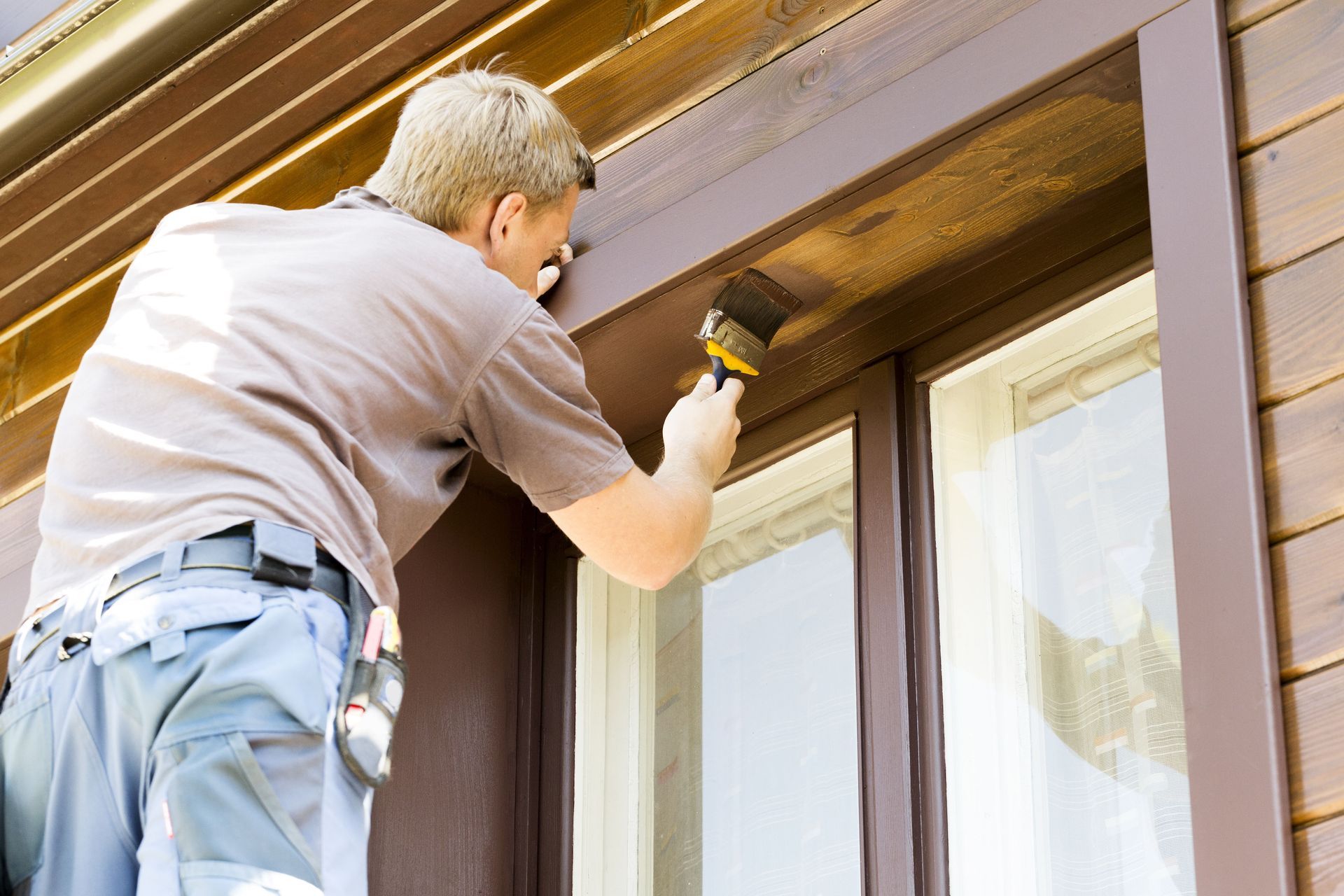
Exterior painting encompasses a variety of surfaces, each requiring tailored techniques to accommodate their unique textures and absorbency levels. Brick and wood are common exterior materials, each needing different tools and paints. For brick, brushes and rollers equipped to handle the contours of the surface are essential, while wood may require staining techniques for finish enhancement. Proper technique ensures that all areas are coated adequately, mitigating the risks of uneven coverage and early paint failure. The painter's ability to work with diverse materials reflects expertise and significantly influences the final appearance of the project.
While interior and exterior painting share the goal of transforming a home, they are entirely distinct disciplines. Interior work prioritizes aesthetic precision and indoor air safety, whereas the work of exterior painters is defined by structural engineering, complex material compatibility, and a constant battle against nature. Investing in skilled exterior professionals ensures an application that withstands the elements, drastically lowers maintenance burdens, and successfully elevates the home's overall curb appeal and market value.